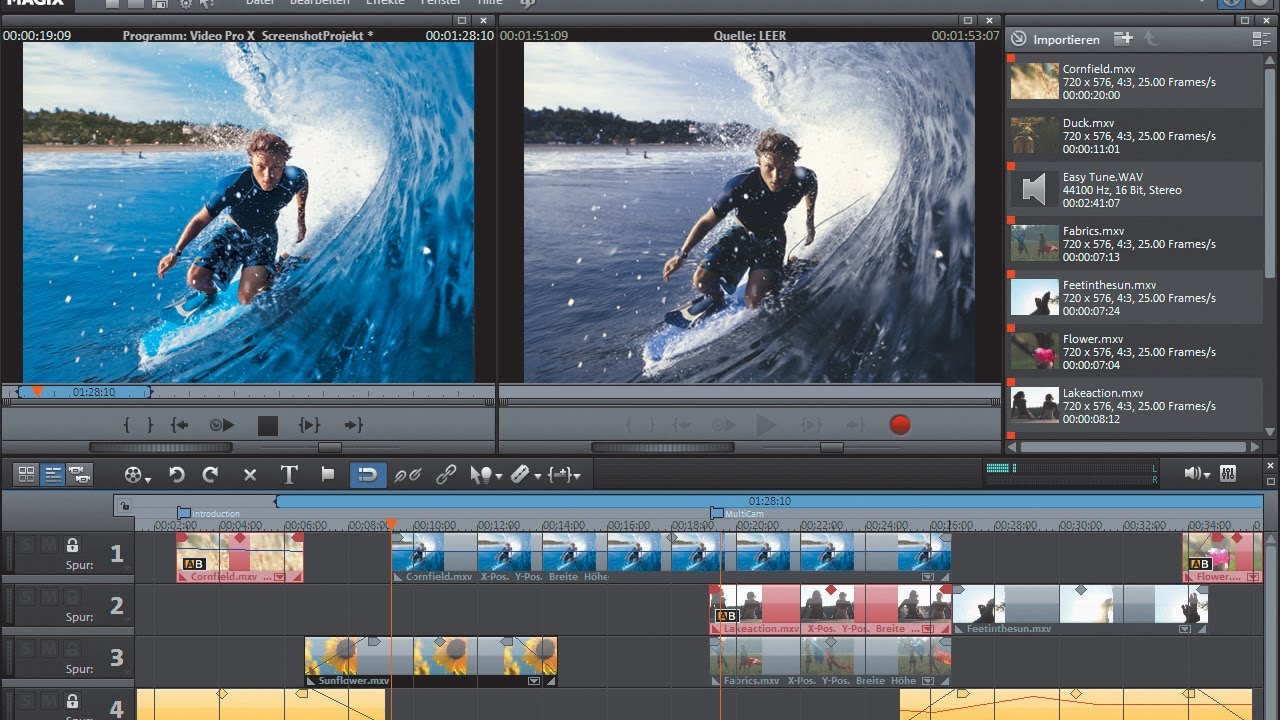
Top 10 Video Editing Hacks to Enhance Your Storytelling
In the digital age, video storytelling has become a vital tool for creators, marketers, and professionals alike. To stand out, it's essential to master the art of editing, and leveraging the right techniques can make all the difference. Here are Top 10 Video Editing Hacks to enhance your storytelling and engage your audience:
- Plan Your Edit: Before diving into editing, sketch a rough storyboard. This helps maintain a coherent narrative throughout your video.
- Use B-Roll Effectively: Incorporate B-roll footage to add depth and context, enriching the viewer's understanding of the main action.
- Sound Matters: Select appropriate background music and sound effects that align with your story's mood, improving emotional engagement.
- Color Grading: Utilize color grading techniques to evoke feelings and set the tone, making your video visually striking.
- Cut on Action: This method involves making cuts during movements to create a seamless flow, maintaining viewer interest.
- Text Overlays: Use text overlays for emphasis or to convey essential information efficiently without disrupting the visual narrative.
- Slow Motion: Incorporating slow-motion shots can heighten drama or highlight critical moments in your story.
- Transitions: Experiment with creative transitions to add flair, but ensure they serve the narrative rather than distract from it.
- Utilize Jump Cuts: Jump cuts can condense time and create a fast-paced feel, perfect for maintaining audience engagement.
- Feedback Loop: Always seek feedback on your edits to gain fresh perspectives and refine your storytelling approach.
How to Use Cuts and Transitions Like a Pro: A Step-by-Step Guide
Mastering cuts and transitions is essential for creating a polished film or video that captivates your audience. To start, familiarize yourself with different types of cuts such as jump cuts, match cuts, and fade cuts. Each type serves a unique purpose and can drastically affect the pacing and flow of your content. For example, jump cuts are great for creating a sense of urgency or highlighting moments of surprise, while match cuts can create a seamless narrative connection between two scenes.
Once you've grasped the various types of cuts, it's time to explore transitions. A well-executed transition can guide the viewer smoothly from one scene to another. Follow these steps to use transitions like a pro:
- Choose the Right Transition: Depending on the mood you want to convey, select a transition that enhances the storytelling (e.g., cross dissolves for emotional scenes).
- Keep It Subtle: Avoid overusing flashy transitions; too many can distract from the narrative.
- Practice Timing: Ensure your cuts and transitions are in sync with the rhythm of your audio and visuals to maintain engagement.
Are You Making These Common Video Editing Mistakes?
Video editing can be a daunting task, especially for beginners. One of the most common mistakes is neglecting to plan your edits. Without a clear vision or storyboard, you may end up with a disjointed video that fails to engage your audience. To avoid this, take the time to outline your footage, determine key scenes, and identify transitions. This pre-editing phase will not only save you time but also enhance the overall flow of your final product.
Another frequent pitfall in video editing is overusing effects and transitions. While it might be tempting to show off your advanced editing skills with flashy effects, too many can distract viewers from your content's message. Instead, focus on subtle transitions that maintain the video's narrative integrity. Remember, simplicity is key. A well-edited video should prioritize storytelling over gimmicks.