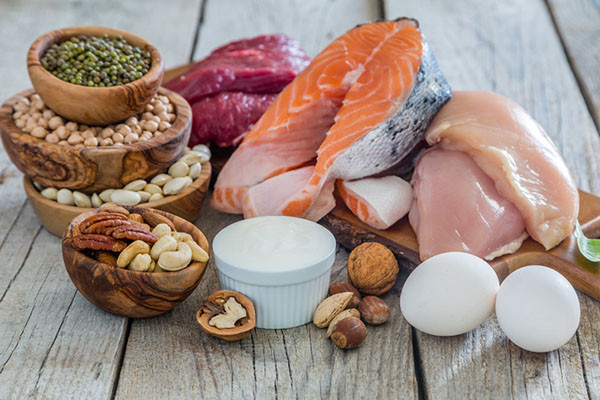
Top 10 Protein-Rich Foods to Elevate Your Meals
When it comes to maintaining a healthy diet, incorporating protein-rich foods is essential. Protein plays a crucial role in building and repairing tissues, making it a vital component of every meal. In this article, we'll explore the top 10 protein-rich foods that can elevate your meals, helping you meet your dietary needs while also enjoying delicious flavors.
- Chicken Breast: A lean source of protein, chicken breast is not only versatile but also easy to prepare.
- Greek Yogurt: Packed with protein and probiotics, Greek yogurt makes for a perfect snack or breakfast addition.
- Quinoa: This complete protein grain is great for salads and side dishes.
- Eggs: Known as nature's protein source, eggs are highly nutritious and can be cooked in various ways.
- Salmon: Rich in omega-3 fatty acids, salmon is not only healthy but also deliciously satisfying.
- Beans: A fantastic plant-based protein, beans are great in soups and salads.
- Lentils: These legumes are high in protein and fiber, making them ideal for hearty meals.
- Nuts and Seeds: Almonds, walnuts, and chia seeds provide healthy fats along with protein.
- Tofu: A staple in vegetarian diets, tofu is a versatile ingredient that absorbs flavors well.
- Low-Fat Cottage Cheese: This dairy product is low in fat but high in protein, perfect for snacking or cooking.
How to Create Balanced, Protein-Packed Plates
Creating balanced, protein-packed plates starts with understanding the key components of a nutritious meal. A well-rounded plate typically consists of three main elements: protein, carbohydrates, and fats. To achieve balance, aim to fill half your plate with vegetables, which provide essential vitamins and minerals. Then, allocate a quarter of your plate to high-quality protein sources—such as chicken, fish, legumes, or tofu—to support muscle growth and repair. The remaining quarter can be filled with whole grains like quinoa, brown rice, or whole-wheat pasta, ensuring you receive complex carbohydrates that offer sustained energy.
To further enhance your meal, consider the following tips:
- Variety is key. Incorporate a range of colors and textures in your vegetables to maximize nutrient intake.
- Experiment with different protein sources to keep meals interesting; try beans, lentils, or seitan for vegetarian options.
- Add healthy fats, such as avocado, nuts, or olive oil, which can improve nutrient absorption and keep you satiated.
What Are the Benefits of a High-Protein Diet?
A high-protein diet offers a multitude of benefits that can significantly improve your overall health and wellness. One of the primary advantages is weight management; protein has a higher thermic effect than fats and carbohydrates, which means your body burns more calories digesting it. Additionally, increasing your protein intake can enhance satiation, helping you feel fuller for longer and reducing cravings between meals. This makes it easier to maintain a calorie deficit, a key factor for those looking to lose weight.
Another substantial benefit of a high-protein diet is its positive impact on muscle health. Protein is essential for muscle repair and growth, particularly for those who engage in resistance training or high-intensity workouts. Consuming adequate protein not only aids in building muscle mass but also contributes to improved metabolic rate. With increased muscle mass, your body can burn more calories even at rest, further enhancing your weight loss or fitness goals. In summary, adopting a high-protein diet can support both your weight management efforts and your fitness journey.