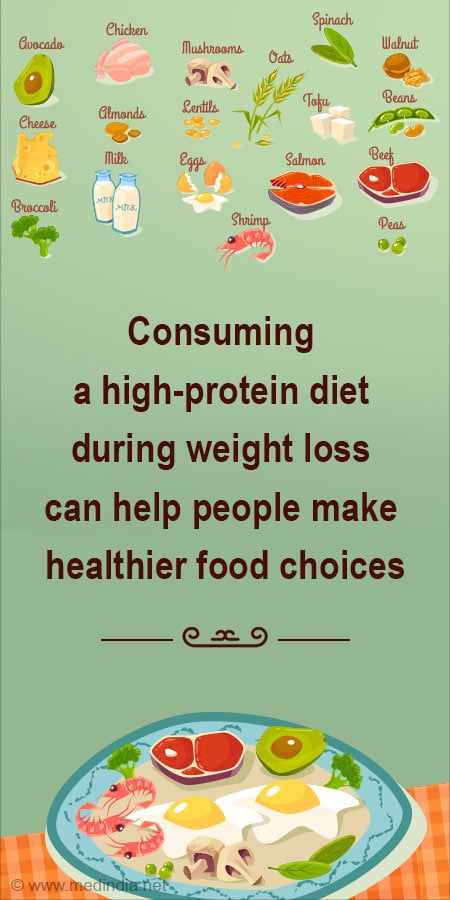
Top 10 High-Protein Foods to Fuel Your Fitness Journey
When it comes to fueling your fitness journey, incorporating high-protein foods into your diet is essential for muscle repair and growth. Here’s a list of some of the top high-protein foods that can help you achieve your fitness goals:
- Chicken Breast: A staple for fitness enthusiasts, chicken breast is lean and packed with protein.
- Eggs: Not only are eggs versatile, but they also contain all essential amino acids.
- Greek Yogurt: This creamy delight is rich in protein and probiotics.
- Quinoa: A great plant-based protein source, quinoa is a complete protein that also offers fiber.
- Fish: Tuna and salmon are not only high in protein but also provide healthy fats.
- Lentils: These legumes are a fantastic source of protein and are great for vegetarian diets.
- Cottage Cheese: High in casein protein, cottage cheese is perfect for muscle recovery.
- Tofu: A plant-based protein powerhouse, great for salads and stir-fries.
- Peanuts: These nuts are protein-rich and make for a convenient snack.
- Chickpeas: Another excellent plant-based option, chickpeas can be incorporated into a variety of dishes.
How Much Protein Do You Really Need for Optimal Performance?
When it comes to optimizing performance, understanding how much protein you really need is crucial. Protein plays a vital role in muscle repair and growth, and it's essential for athletes and active individuals who demand a lot from their bodies. The general consensus is that most people need around 0.8 grams of protein per kilogram of body weight, but this number can vary significantly based on activity level, age, and individual health. For those engaged in intense training or strength-building activities, recommendations can go as high as 1.2 to 2.0 grams per kilogram. This variance highlights the importance of tailoring your protein intake to your personal goals and lifestyle.
To accurately assess your specific protein needs, consider the following factors:
- Activity Level: Higher activity levels typically require more protein for muscle recovery.
- Age: As you age, muscle mass tends to decrease, increasing protein needs to preserve strength.
- Goals: If your aim is to build muscle, you may need to increase your protein intake significantly.
Ultimately, determining how much protein you really need is not a one-size-fits-all approach. Instead, it requires a personalized strategy that takes into account your unique body composition and performance aspirations.
The Ultimate Guide to Protein-Packed Meal Prep for a Healthier You
Protein-packed meal prep is an essential strategy for anyone looking to enhance their health and maintain a balanced diet. By prioritizing proteins in your weekly meal planning, you can not only fuel your body effectively but also keep hunger at bay, making it easier to resist unhealthy snacks. Start your journey by identifying high-protein foods such as chicken, fish, beans, lentils, and quinoa. Incorporate a variety of these ingredients into your meals to keep your diet exciting and nutritionally diverse.
To get started with meal prep, dedicate a few hours each week to cook and portion out your meals. Investing time in preparation can save you time during busy weekdays while ensuring you have healthy options readily available. Consider batch cooking protein-rich recipes like chili, stir-fries, or grilled chicken with veggies. Divide them into individual servings and store them in the fridge or freezer. Not only will you streamline your week, but you'll also support your health goals with every nutritious bite.