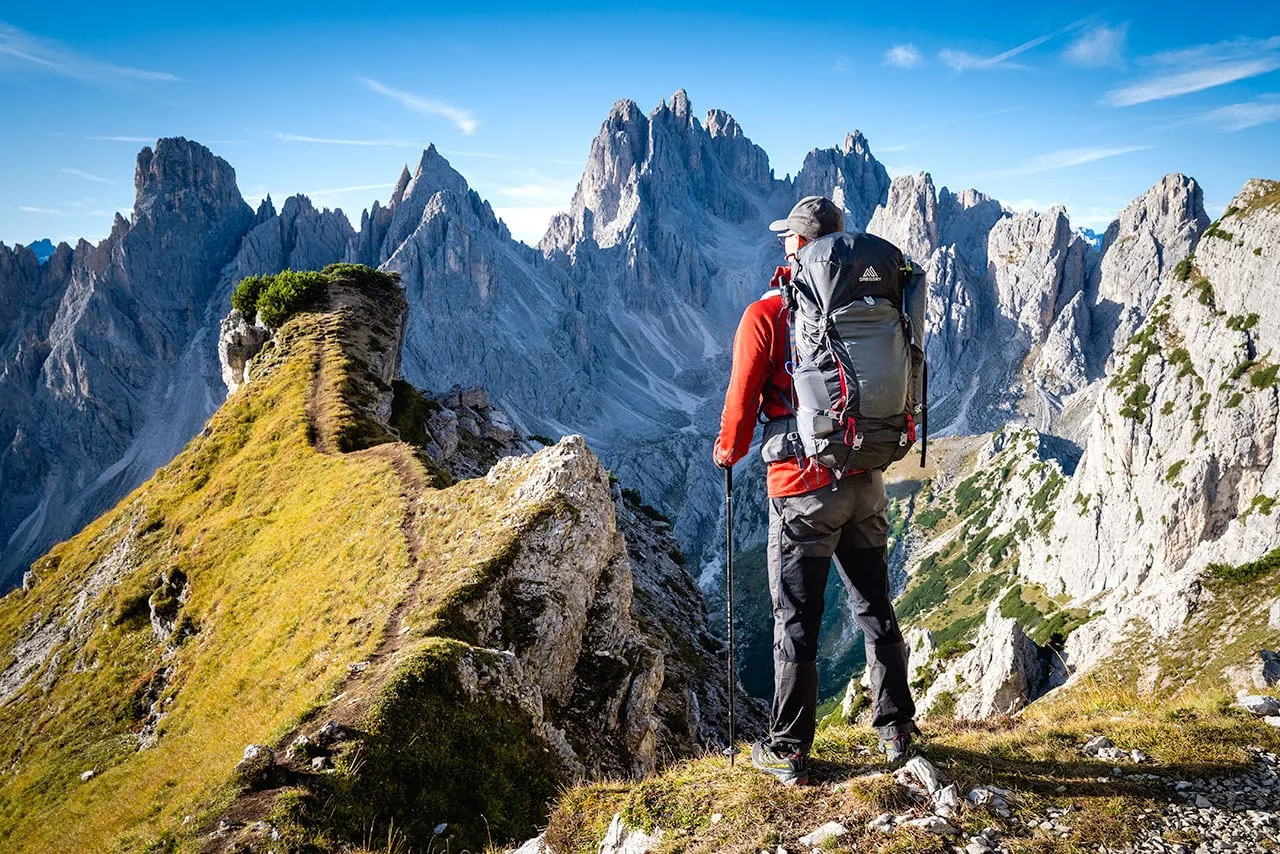
Top 10 Essential Gear Items for Minimalist Backpacking
When embarking on a trip into the wilderness with a minimalist backpack, it's crucial to pack efficiently yet effectively. Here are the Top 10 Essential Gear Items that every minimalist backpacker should consider:
- Backpack - A lightweight, durable backpack with a comfortable fit is the foundation of your gear. Look for one that has enough capacity for your essentials without being excessively bulky.
- Sleeping Bag - Choose a compact sleeping bag that offers warmth without unnecessary weight. Down bags tend to be lighter and pack smaller than synthetic options.
- Camping Stove - A portable cooking solution is essential for preparing meals. Opt for a small, lightweight stove that uses fuel canisters for convenience.
- Water Filtration System - Staying hydrated is vital, so carry a reliable water filter or purification tablets to ensure safe drinking water from natural sources.
- First Aid Kit - Be prepared for minor injuries. A compact first aid kit should include essential supplies like band-aids, antiseptics, and any personal medications.
- Multi-tool - A versatile multi-tool can address various needs from cooking to repairs, making it a valuable addition to your gear.
- Navigation Tools - Having a map and compass, or a GPS device, is crucial for safe navigation in the wilderness.
- Clothing Layers - Pack moisture-wicking base layers, an insulating layer, and a waterproof shell to adapt to changing weather conditions.
- Food Provisions - Lightweight, high-calorie food options, such as dehydrated meals or energy bars, will keep you fueled on your journey.
- Headlamp or Flashlight - For nighttime visibility, a lightweight headlamp with extra batteries is a must-have gear item.
Choosing the right gear is essential to enjoying your outdoor adventures without the burden of excess weight. Embrace the minimalist backpacking philosophy by carefully selecting these Top 10 Essential Gear Items, which ensure you have everything you need while keeping your pack as light as possible. Remember, when it comes to minimalist backpacking, less truly is more!
How to Pack Light: Tips for Backpacking with Less
Packing light is essential for a successful backpacking trip. Not only does it make your journey more enjoyable, but it also allows for greater mobility and less strain on your body. To start, evaluate your gear carefully; consider the weight and necessity of each item. Create a packing list that includes only the essentials, such as one versatile outfit and multifunctional gear. Investing in lightweight equipment, like a compact tent and a sleeping bag, can significantly reduce your load.
When it comes to personal items, remember the one-in, one-out rule. For every new item you consider bringing, think about what you can leave behind. Roll your clothes instead of folding them to save space, and utilize packing cubes or compression bags for better organization. Additionally, don’t forget to pack a reusable water bottle and a lightweight cooking system, which can save you from carrying heavy food supplies. Following these tips will help you master the art of backpacking with less and enhance your outdoor experience.
Maximizing Comfort: What to Leave Behind When Backpacking
When it comes to maximizing comfort while backpacking, one of the most crucial steps is determining what to leave behind. Heavy gear and unnecessary items can quickly lead to discomfort on the trail. Start by evaluating your pack and considering the essentials: your tent, sleeping bag, and food. Everything else is up for debate. As a rule of thumb, if an item doesn't serve multiple functions, it may be better left at home. Remember, weight is your enemy!
Additionally, think about your clothing choices. Opt for lightweight, moisture-wicking fabrics that can be layered instead of bulky items that take up space and add weight. Consider leaving behind items such as extra shoes, excessive toiletries, and luxury camp comforts. A minimal approach not only lightens your load but keeps your experience focused on the adventure itself. Ultimately, maximizing comfort is about striking the right balance between being prepared and maintaining mobility.