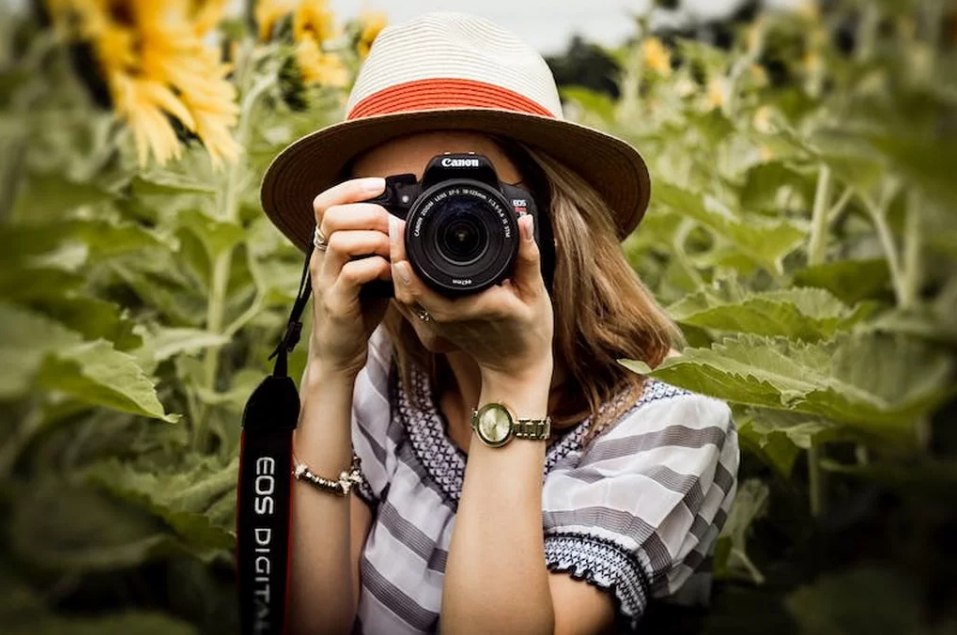
10 Essential Camera Settings Every Photographer Should Master
For any photographer, mastering the right camera settings is crucial for capturing stunning images. Here are 10 essential camera settings that every photographer should learn to perfect:
- Aperture: Control the amount of light entering the lens and the depth of field.
- Shutter Speed: Adjust the exposure time to either freeze motion or create motion blur.
- ISO: Manage the camera's sensitivity to light, enabling shooting in various lighting conditions.
- White Balance: Correct color tones to match the light source, ensuring accurate color representation.
- Exposure Compensation: Make fine adjustments to exposure levels, allowing better control over brightness.
- Focus Mode: Choose between auto-focus and manual focus to suit your subject and shooting style.
- Metering Mode: Use different metering methods to better evaluate exposure based on the scene.
- Image Quality: Select between different file formats, such as JPEG and RAW, for optimal results.
- Drive Mode: Choose between single or continuous shooting modes for dynamic images.
- Flash Settings: Learn how to manipulate flash for both stills and low-light settings effectively.
By understanding these 10 essential camera settings, photographers can significantly improve their ability to capture the perfect shot. Practice each setting in different scenarios to develop a instinctual grasp and make adjustments as needed. Remember, the key to great photography lies not just in the camera itself, but in how well you can leverage these settings to translate your creative vision into reality.
How Lighting Can Make or Break Your Photos: Tips for Success
Lighting is arguably one of the most critical elements in photography, and understanding its effects can transform your images from mundane to striking. Whether you’re shooting indoors or outdoors, effective lighting can highlight your subject, create depth, and set the mood. Here are some essential tips for utilizing light to enhance your photos:
- Use natural light during golden hour for soft, warm tones.
- Experiment with shadows to add dimension to your subjects.
- Consider the direction of light—side lighting can create dramatic effects.
Equally important is knowing when to avoid harsh lighting conditions. Midday sunlight can produce unflattering shadows and overexposure, so it’s best to seek shaded areas or utilize reflectors to diffuse the light. Remember, understanding how lighting affects your photos is key to developing your skills as a photographer. Keeping these tips in mind will ensure you make the most of every lighting condition you encounter, ultimately elevating your photography to new heights.
What Are the Best Composition Techniques for Stunning Photography?
When it comes to stunning photography, understanding composition techniques is essential. One of the most effective methods is the Rule of Thirds, which involves dividing your image into nine equal parts by two vertical and two horizontal lines. By placing your subject along these lines or at their intersections, you create a more balanced and engaging photograph. Additionally, experimenting with leading lines can guide the viewer’s eye through the image, enhancing depth and perspective.
Another remarkable technique to consider is framing, which utilizes elements within your scene to create a 'frame' around your subject. This technique draws attention and can add context to the photograph. Lastly, don’t forget about negative space; incorporating empty areas around your subject can heighten the focus and emotional impact of your composition. By mastering these composition techniques, you can elevate your photography from ordinary to extraordinary.