10 Essential Photo Editing Techniques Every Beginner Should Know
In the digital age, mastering photo editing is crucial for anyone looking to enhance their visual content. Here are 10 essential photo editing techniques every beginner should know:
- Crop and Straighten: Always start with cropping your image to remove any distractions and improve composition. Make sure to straighten any tilted horizons for a more professional look.
- Adjust Brightness and Contrast: Fine-tuning the brightness and contrast of your photo can significantly enhance depth and clarity. Tools like Adobe Photoshop offer great features for these adjustments.
- White Balance: Correcting white balance is essential to ensure accurate color representation. This technique helps to set the mood and feel of your images.
- Saturation and Vibrance: Enhance the colors in your photo by adjusting saturation and vibrance. Be careful not to overdo it, as this can lead to unnatural results.
- Sharpening: Adding a bit of sharpening can make your images pop, but it’s important to apply this carefully to prevent graininess.
Continuing with our essential techniques, here are the final five that can elevate your photo editing skills:
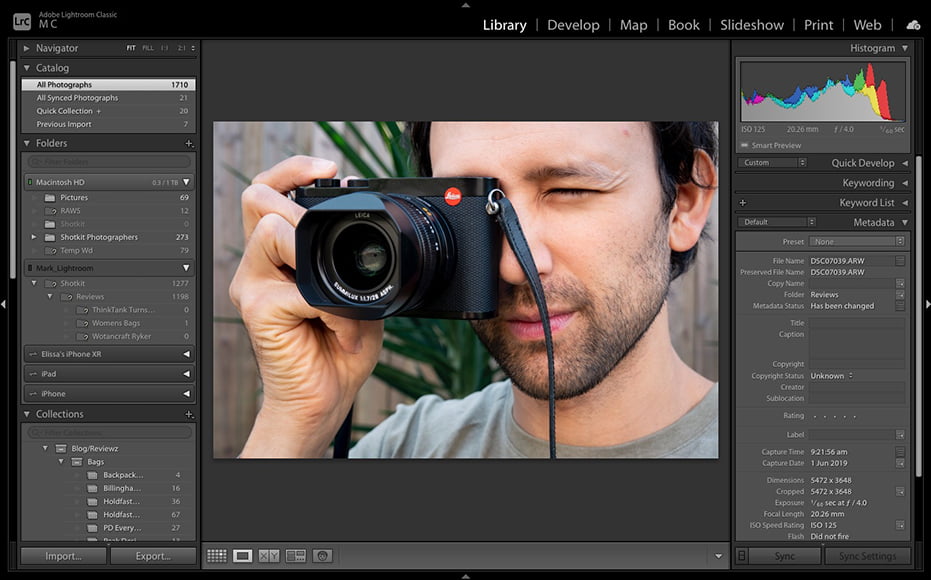
- Use Filters and Presets: Experimenting with filters and presets can provide a unique look to your photos. Programs like Adobe Lightroom offer numerous options.
- Layering Techniques: Utilizing layers allows you to make non-destructive edits, giving you more control over the final output.
- Retouching: Removing blemishes and imperfections is key in achieving a polished look. Tools like the healing brush can be incredibly useful.
- Text and Graphics Overlay: Adding text or graphics can personalize your images. Make sure they complement and not distract from the overall composition.
- Save in the Correct Format: Always save your edited photos in the right format (e.g., JPEG for online use, TIFF for print) to ensure the best quality.
How to Master Color Grading for Stunning Photo Transformations
Color grading is an essential skill for photographers and filmmakers alike, transforming ordinary images into striking visual masterpieces. Mastering this technique involves understanding the color wheel and the relationships between colors. A good starting point is to familiarize yourself with the basics of color theory, which can be explored further in resources like Color Theory. Additionally, utilizing software tools such as Adobe Lightroom or DaVinci Resolve can facilitate the color grading process, allowing you to make precise adjustments and elevate your images to the next level.
To truly excel in color grading, practice is key. Experiment with various styles—whether aiming for a vintage look, a cinematic feel, or vibrant realism—and develop your unique aesthetic. Joining online communities and seeking feedback can provide valuable insights. Platforms like Digital Photography School offer tips and tutorials that cater to different skill levels, making it easier to refine your technique and achieve those stunning photo transformations that draw in viewers and enhance your portfolio.
What are the Top Photo Editing Software Tools for Professionals?
In the competitive world of photography, having the right tools is essential for achieving stunning results. Some of the top photo editing software tools for professionals include Adobe Photoshop, renowned for its versatility and robust editing features, and Adobe Lightroom, which excels in photo organization and batch editing. Other notable mentions are Capture One, praised for its superior color grading capabilities, and GIMP, a powerful open-source alternative that offers a wide range of features.
For photographers looking for more specialized options, Affinity Photo and Corel PaintShop Pro offer excellent functionalities at a competitive price. Additionally, Luminar incorporates AI technology to streamline the editing process, making it an appealing choice for those short on time. When choosing a photo editing software, it's critical to consider your specific needs and workflow to ensure you select the best tool for your creative projects.